Your ears are responsible for two important functions in your daily life – your balance and your hearing. Within the ear, the cochlea is responsible for hearing, and balance is controlled by an organ called the labyrinth. The cochlea works with the brain to keep you hearing, and the labyrinth works with the visual system (eyes) and skeletal system (bones and joints) to keep the body on its feet. For example, visual signals are sent to the brain about the body’s position in relation to its surroundings. These signals are processed by the brain, and compared to information from the vestibular and the skeletal systems.
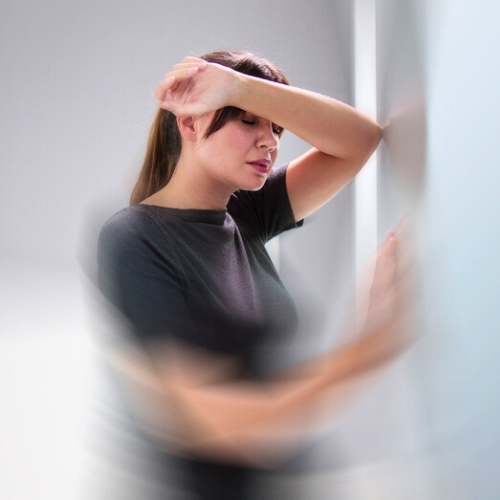
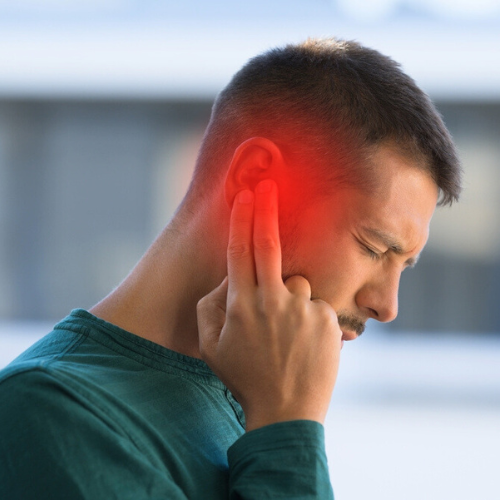
Additionally, bodies of vital fluids exist in semi-circular tubes within your ear, which move with gravity to let the brain know if you are nodding your head up and down or looking right to left. However, this delicate system is thrown into disarray when the ear experiences an issue, and this can impact both balance and hearing, leading to a Vestibular Balance Disorder.